Pest Control: Valuable Plans to Protect Your Household and Company
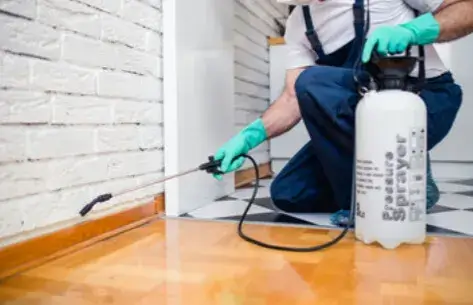
Pest Control: Proven Tactics to Secure Your Living space and Organization
Beginning to Pest Control
Pest Control pertains to the management or management of critters classified as pests – life forms that negatively impact personal behaviors or surroundings. In New Jersey, in which assorted ecosystems intersect with residential and metropolitan advancement, powerful Pest Control is not just a luxury but a requirement for upholding hygienic home and professional atmospheres. From the expansive communities of Monmouth County to the integrated districts of Matawan, pest invasions can plague any individual, irrespective of how clean or carefully tended their house may be.
The necessity of establishing productive Pest Control methods cannot be understated. For homeowners, pests can impair constructional stability, pollute food sources, and establish noteworthy health hazards. Businesses meet these same challenges, with the supplementary anxiety of standing injury and likely deprivation of customers if outbreaks are discovered. Standard pests in New Jersey encompass rats and mice like rats and mice, assorted creepy crawlies such as ants, cockroaches, and bed bugs, and the especially ruinous termites that can inaudibly threaten a building's support structure.
For What Reason Pest Control Matters
Health Hazards of Pest Control Methods
Multiple pests contain and pass on ailments that can harm humans and pets. Rats and mice are established transmitters of hantavirus, salmonella, and leptospirosis. Cockroaches can induce asthma flare-ups and hypersensitivity effects, specifically in little ones. Ticks, common in New Jersey's tree-covered regions, are well-known for propagating Lyme disease, while mosquitoes can transfer West Nile virus and Eastern Equine Encephalitis. Skilled Pest Control assists reduce these health threats by getting rid of the root of these potential disease spreaders.
Real Estate Deterioration in Pest Control
The skeletal impairment created by pests can be considerable and high-priced. Termites alone produce over $5 billion in building harm every year across the United States, with New Jersey homes being notably prone due to the state's environmental conditions. Rats and mice can gnaw through power wiring, forming fire dangers, while their incessant gnawing can ruin insulation, pipes, and wooden basic pieces. Even outwardly inoffensive ants can jeopardize lumber structures if permitted unprocessed, chiefly carpenter ants which are typical in Monmouth County.
Monetary Repercussions of Pest Control Services
Avoiding pest incursions can cause important pecuniary results. What potentially initiate as a trivial problem needing elementary treatment can fast intensify into a major problem requiring thorough remediation. For organizations, notably those in the food business or hospitality sectors, pest incursions can result in deficient health checks, short-term closures, and enduring destruction to reputation and patron reliance. Putting money in consistent Pest Control is not simply about immediate ease—it's a ongoing economic defense.
Pest Control: Usual Domestic and Commercial Pests
Small Mammals (Rats and Mice)
When it comes to discovering rodent problems in your New Jersey home, awareness is critical. You may detect pellets near food supplies, in storage units, or under sinks. Chew marks on food containers, lumber, and electronic cables are evident marks of their existence. At nighttime, you may hear abrasive rackets in walls, top boundaries, or below floors as these nocturnal beings get active. If you locate habitats constructed from ripped stationery, fabric, or dried plant material, that's a evident evidence rodents have created themselves comfortable. Slimy rub marks adjacent to baseboards and barriers appear as rodents employ the similar paths regularly, while your pets may exhibit abnormal behavior such as yelping or digging at spots underneath equipment or fixtures where rodents conceal.
Rodents in New Jersey homes and enterprises establish several menaces past pure inconvenience. They can spoil food and making planes with infectious agents existing in their urine and feces. Their unending compulsion to nibble can damage assets, especially electrical lines, which generates fire hazards. In Matawan and encompassing zones, the Norway rat and house mouse are specifically challenging, flourishing in both built-up and bedroom community areas. Efficient Pest Control procedures are essential to deal with these harmful trespassers.
Invertebrates (Ants, Cockroaches, Bed Bugs)
Invertebrate problems manifest themselves in numerous methods depending on the species. Ant issues grow evident when you spot apparent ant trails going to food provisions, or when you detect tiny accumulations of ground or wood shavings produced by carpenter ants. Cockroach infestations often display themselves through dark pellets similar to coffee grounds or black pepper, a singular musty fragrance that infiltrates infested places, and the manifestation of egg cases in covered corners. Bed bug issues manifest as rust-colored marks on mattresses and belongings, shed skins near sleeping zones, little blood discolorations on sheets, and itchy red swellings on skin normally ordered in a string or cluster.
Invertebrates typify the most various category of pests in New Jersey. Cockroaches can set off asthma and hypersensitivities while transmitting several pathogens. Bed bugs, while not disease spreaders, inflict substantial pain, sleep disturbance, and affective torment. Particular ant classes, like carpenter ants frequent in Monmouth County's woodland zones, can inflict skeletal destruction analogous to termites across time. Professional Pest Control businesses can spot particular insect species and apply directed management techniques that manage the particular conducts and sensitivities of each pest.
Termites
Identifying termite movement initially needs comprehending the subtle signals of their being. You possibly spot shed wings near apertures and entrances after swarmers have identified a mate and formed a new population. Mud tubes on outdoor walls, wooden beams, or in crawl regions function as safeguarded highways for these harmful critters. Wood that resonates vacant when patted reveals termites have been consuming from internally. Entrances and apertures that quickly attach may reveal twisting from termite harm, while fractured or rising paint reminiscent of water destruction often disguises termite behavior beneath. Spotting frass—termite droppings comparable to small wood-colored pellets—offers another corroboration of their uninvited being.
Termites form perhaps the most considerable skeletal threat between all usual pests. In New Jersey, the Eastern subterranean termite is frequent and especially harmful. These organisms can linger undetected for periods while creating significant impairment to timber architectural constituents. Homes in Matawan and all through Monmouth County, particularly older homes, are prone to termite infestations. The average cost of term pest control.
Pest Control Safety Aspects
Safe Use of Products and Substances in Pest Control
While products turn required in your pest control method, focusing on security requires focus to several vital procedures that safeguard people, animals, and the environment. Continuously read and observe product directions precisely, as these binding instructions demonstrate extensive examination and governmental assessment intended to limit dangers. Utilize the least successful amount of pesticide to accomplish management while minimizing unneeded chemical introduction into your residential space. Use substances only in zones designated on the label, preventing unauthorized treatments that may produce unexpected hazards or diminish performance. Utilize suitable safety gear as stated by chemical manufacturers to eliminate personal exposure during treatment. Keep products in their original bottles with directions intact to preserve availability to protection information and stop mix-ups. Keep thorough logs of all uses, recording substances used, dilution ratios, places treated, and times of treatment for subsequent use. Enable appropriate curing and air circulation before returning to treated spaces, specifically vital in New Jersey's conditions where humidity can impact curing durations. Consider less-toxic choices when effective, as advances in pest management have produced many safer choices that maintain performance while lowering possible risks.
Safeguarding Animals and Kids While performing Pest Control Services
Specific steps turn necessary when applying pest control procedures in dwellings with vulnerable family members. Remove pets throughout service and until areas are set to eliminate immediate exposure with wet chemicals or gases that could cause negative reactions. Shield or remove pet nutrition, water bowls, and toys before application to eliminate pollution that could lead to inadvertent ingestion. Put children's playthings away from service locations, especially items that young kids might place in their lips. Disinfect and disinfect food cooking counters after service, even if they weren't immediately applied to, to eliminate any traces that might have collected during treatment. Hold children apart from applied spaces for the advised duration, extending this time for crawling infants who have more immediate contact with surfaces and bottom surfaces. Think about animal-friendly and kid-friendly chemical alternatives when available, as many contemporary chemicals focus on website certain pest biology while reducing mammalian poison. Most vitally, tell expert applicators about the occurrence of animals, kids, or expecting household members before they develop service approaches, enabling them to adapt approaches and product selections accordingly.
Official Guidelines and Compliance with Pest Control
Pest control in New Jersey functions within a official structure intended to protect public health and the ecosystem while maintaining successful pest control. The New Jersey Department of Environmental Protection oversees pest management operations, necessitating expert pest elimination businesses to achieve defined specifications. Organizations must utilize licensed technicians who have passed official tests displaying skill in pest biology, treatment approaches, and safety procedures. These firms must copyright proper coverage coverage protecting both their technicians and their clients from possible harm or harm connected with pest management activities. Rigid rules govern pesticide keeping, transport, and elimination to prevent natural contamination and unauthorized entry. Experts must supply Safety Data Sheets upon inquiry, detailing the attributes and risks of products applied in applications. Alert requirements pertain for specific treatments, specifically in multi-unit structures or industrial spaces with many occupants. Thorough treatment notes must be kept, creating an review history of pest elimination operations. Furthermore, only chemicals licensed for use in New Jersey may be officially applied, guaranteeing that area environmental situations and environments have been evaluated in the approval procedure. For commercial properties in Matawan and throughout Monmouth County, further rules may pertain depending on the business, especially for food service, health, and child care centers where pest management overlaps with other general safety considerations.
Environmentally-Friendly Pest Control Options
Combined Pest Control (IPM) Method
Combined Pest Control exemplifies the premium benchmark in today's pest control, emphasizing on extended protection through a mixture of techniques that limit environmental influence while maximizing performance. The IPM process commences with comprehensive assessment and surveillance to recognize pest pressure correctly, creating baseline facts about species existing and quantity sizes. This results in accurate identification of pest kinds, confirming management attempts target particular patterns and weaknesses rather than employing general treatments. Experts determine threshold levels that warrant intervention, understanding that the simple detection of a few creatures doesn't always need intervention if quantities remain under destructive numbers. When action turns necessary, IPM employs numerous treatment strategies in cooperation, usually initiating with least-toxic methods and advancing only when needed. Across the procedure, specialists review success and change methods as appropriate, forming a dynamic approach flexible to changing environments. Most significantly, IPM focuses on avoidance over elimination, addressing construction and ecological factors that support pest groups rather than merely removing current insects. Many pest control companies in New Jersey provide IPM-based services that match with the area's effort toward reduced-risk pest control procedures, particularly in vulnerable areas like learning institutions, healthcare centers, and food processing plants.
Natural Management Methods
Successful pest control often combines non-chemical strategies that can resolve or minimize pest concerns without introducing chemicals into the area. Physical shields such as screens, door strips, and closing stop pest invasion totally, addressing the issue at its root. Direct methods like snares and prevention devices extract active insects while stopping fresh infestations. Natural approaches featuring advantageous organisms and microorganisms bring natural predators that focus on specific insects while maintaining beneficial organisms unharmed. Cultural techniques adjust the setting to prevent organisms, such as changing moisture patterns to minimize moisture that attracts certain creatures. Area change reduces shelter and nutrition options, making areas reduced hospitable to problematic inhabitants. For particular pests like bed bugs, heat procedures offer extremely effective elimination without synthetic traces by boosting temperatures past the thermal killing threshold for all life phases of the intended pest. Likewise, cold procedures for stored commodity pests like food insects or food storage pests can eradicate issues in consumable goods without harmful pollution. These techniques show especially useful in New Jersey's different locations, where closeness to marine bodies, conserved ecological locations, and thick residential areas creates many scenarios where synthetic minimization grows preferable or essential.
Eco-Conscious Pest Control Control Methods
The pest control industry maintains to evolve toward additional eco-conscious approaches that retain performance while minimizing surrounding effect. Organic chemicals extracted from natural essences like chrysanthemum extract, neem oil, and aromatic extracts provide specific treatment with minimized persistence in the ecosystem. Microbial pesticides featuring microorganisms, fungi, or agents that attack particular pest creatures provide accuracy that standard universal substances can't achieve. Growth inhibitors that prevent pest mating by disrupting with maturation stages supply lasting population control without direct dangerous influences on fully-grown creatures. Pheromone traps that track or interfere with pest reproduction assist figure out when treatment grows needed and can avoid procreation in specific types. The industry progressively uses safer products with minimal surrounding effect, changing away from traditional chemistries with more extensive consequences on secondary life forms. Accurate usage technologies that reduce entire pesticide use apply applications directly where necessary rather than spreading chemicals around extensive zones. Environmental approval systems for pest control firms create standards for naturally superior service and give consumers with clear identification of providers committed to sustainable methods. In ecologically critical regions of New Jersey, including areas of Monmouth County with nearness to aquatic bodies, these green strategies are notably valuable for defending both personal health and wild ecosystems while continue to supplying efficient pest management.
Finding a Local Pest Control Service Provider in New Jersey
Capitol Exterminating System
272 NJ-34
Matawan, NJ 07747
(732) 441-1900
Frequently Posed Inquiries (FAQs) about Pest Control
How frequently should pest control be conducted?
For most New Jersey homes, quarterly pest control provides adequate defense against seasonal pest challenges. This frequency coordinates with the region's different periods, each bringing various pest problems that demand precautionary consideration. Spring procedures generally deal with appearing ant colonies and dormant insects getting energetic. Summer procedures concentrate on mosquitos, ticks, and various flying pests that flourish in hotter temperatures. Fall treatments prepare houses for mice and rats and overwintering creatures seeking shelter as climate fall. Winter treatments maintain protection against internal pests while tackling mouse and rat activity at its greatest. Nonetheless, this rate may rise for buildings with certain threat aspects or continuing concerns that require additional comprehensive control. Residences near wooded locations in Monmouth County may gain from extra parasite and mosquito control applications across peak times. Structures with past of individual pest troubles commonly demand specific additional treatments past the regular four times yearly timing. Commercial properties, especially dining service businesses in zones like Matawan, often demand regular care to keep compliance with wellness requirements and stop invasions that could hurt image and trade functions.
Is expert pest control secure for companions?
When conducted properly, expert pest control can be secure for companions through deliberate chemical selection and treatment techniques that limit interaction. Today's targeted treatment methods and reduced-risk chemicals have substantially enhanced security aspects versus previous pest treatment techniques. Modern procedures commonly utilize compounds particularly designed to have minimal harm to pets while remaining efficient against target pests with separate physiologies. Specialist technicians acquire instruction in usage procedures that place chemicals in locations pets are unable to enter, such as wall voids, fissures and gaps, or underneath appliances. Nevertheless, companions should be taken away throughout service and until all services have cured completely, obeying certain waiting times advised by the product manufacturer and technician. Aquarium systems should be shielded and oxygen devices turned off throughout procedure to eliminate infection from airborne substances. Pet objects containing sleeping areas, items, and eating bowls should be taken away or shielded while performing application. Address any issues with your pest control service, who can suggest correct pause durations depending on the certain applications used and adjust approaches for households with particularly sensitive animals like avians or lizards and snakes that may have distinct physiological vulnerabilities than felines and canines.
What are the symptoms of a major pest infestation?
Besides seen pests personally, various caution indicators show likely serious issues calling for quick pest control treatment. Uncommon scents frequently develop with large problems – damp, oily aromas may suggest rodents, while pleasant, almond-like aromas periodically accompany German insect colonies. Puzzling structural destruction like sagging boards, blistering coating, or deteriorating material may indicate termite activity or carpenter ant infestations ruining structural components. Odd noises within walls or roof areas, particularly at nighttime, often show rodent presence as these nighttime pests become energetic in hidden locations. Plentiful dust resembling fine shavings near wooden elements may really be frass or droppings from timber-damaging pests. Some residences have unknown physical problems like respiratory issues or discomfort that go away when distant from property, probably suggesting creature infestations altering interior air quality. In New Jersey residences, special focus should be devoted to lower level and lower spaces where humidity concerns can sustain pest groups, specifically in aged houses throughout Monmouth County where foundation fissures and deteriorating mortar offer numerous entry places. Locating many expired insects of the same kind implies a greater colony nearby, while fat marks beside wall bases suggest set small mammal trails with consistent traffic.
Can I prevent organisms without pest control substances?
Indeed, numerous insects can be prevented through appropriate cleaning, exclusion, and living space change without using toxic treatments. The base of chemical-free pest control initiates with comprehensive exclusion procedures – blocking gaps, openings, and access points that enable insects to access homes in the starting location. Installing entrance sweeps, mending deteriorated screens, and filling utility openings eliminates usual invasion points. Eliminating feeding resources through proper meal preservation in tight packages, quick elimination of drops and crumbs, and consistent waste removal considerably minimizes attractants that draw creatures into homes. Reducing humidity by fixing seeping plumbing, bettering ventilation in moist zones, and handling runoff troubles stops the fluid sources various creatures require. Keeping a buffer zone encircling structures by pruning foliage, clearing plant waste, and maintaining timber off the ground and distant from homes decreases shelter locations and access locations. Employing solid shields like copper screen or metal material to stop wider gaps delivers long-term prevention for rodents and rats. Routine care that includes vacuuming gaps and crevices eliminates bug offspring and sustenance waste that support pest growth. For present problems, nonetheless, some type of management substance may be necessary to solve set concerns, though various lower-risk options are available such as natural silica dust, boric compound, and insecticidal detergents that offer reduced risk versus conventional products.
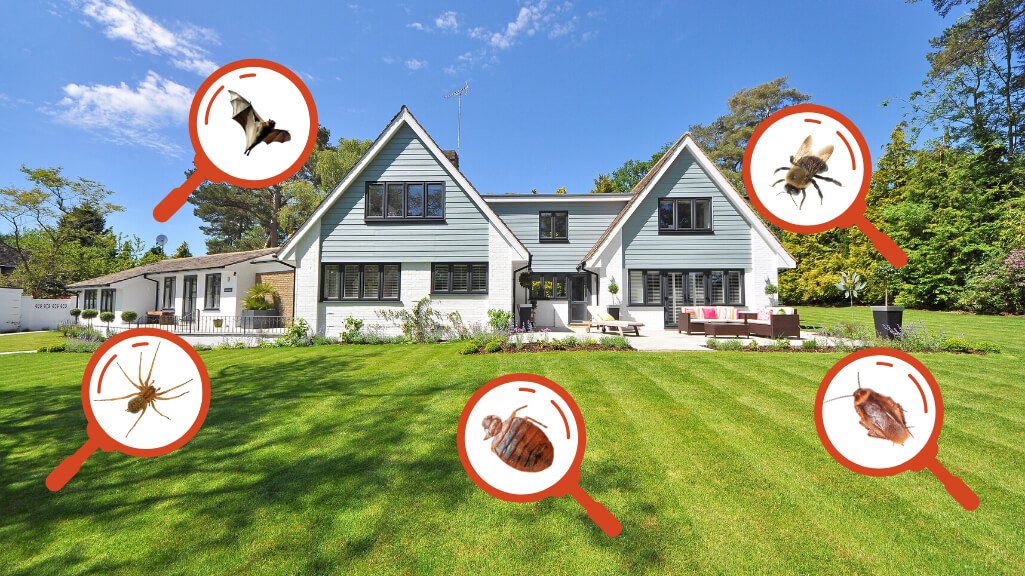
What should I prepare for during qualified pest control procedure?
A specialist pest control service commonly starts with a complete inspection to pinpoint pest species, invasion points, and favorable conditions contributing to the concern. The technician should use care checking both indoor and outdoor areas, directing specific consideration to cooking areas, bathing facilities, cellars, and boundary structural supports where pest activity commonly focuses. Following this inspection, the technician should describe their discoveries in thoroughness and recommend a treatment program customized to your particular situation, reviewing both the specific pests and the approaches recommended for treating them. You may obtain preparation steps before service, probably involving shifting items, emptying individual areas, or safeguarding companions. Throughout the procedure, the expert will apply appropriate chemicals to specific locations considering the pest varieties recognized, focusing on cracks, gaps, and pest shelter locations rather than spreading applications around full regions. They may set up monitoring systems like pest traps or attractant stations that help track development and provide continuing security. After ending applications, a expert should describe any subsequent safety measures such as airflow needs, return times, or spaces to sanitize. Before going, they should arrange additional visits if needed for specifically stubborn creatures like bed bugs or German insects that commonly require multiple procedures for entire eradication. Across this system, experts should encourage concerns and provide plain data about the chemicals and techniques utilized, demonstrating their training and commitment to both efficiency and wellness.
Productive pest control is an important element of maintaining sanitary, protected home and professional areas in New Jersey. From the humid summers that bring mosquitos and blood-sucking insects to the cooler months when small mammals search for shelter inside, pest problems stay a continuous worry for occupants and organizations in Monmouth County and Matawan. By comprehending frequent organisms, applying precautionary procedures, and understanding when to seek qualified support, building managers can defend their investments and the wellness of occupants.
Implementing a preventive system to pest control is consistently increasingly productive and budget-friendly than reacting to established issues. Frequent assessments, suitable upkeep, and handling little concerns before they escalate can eliminate the major costs and disturbances connected with serious pest troubles. When qualified intervention becomes necessary, selecting a reliable, certified pest control company who uses integrated pest treatment methods delivers efficient achievements with reduced surrounding impact.